Terms, auto-renewal windows and the 'free installation' math
None of these clauses is hidden; all of them are skipped. The 36-month term, the 30-60 day notice window and the multi-year renewal are each worth real money to a Palmyra business over the life of the system.
Alarm monitoring for a Palmyra small business commonly runs $50-$100 a month on a 36-month contract - and commercial fire alarm monitoring must go through a UL-listed central station under NFPA 72, so that line is not optional.
Most monitoring contracts offered in Palmyra carry an automatic-renewal clause: miss the written-notice window, commonly 30-60 days before term end, and many contracts renew themselves for another 3-5 years.
Palmyra, New Jersey has about 7,587 residents, and its security market prices on installer territory, monitoring economics and scope - not on the hardware's list price.
A 'free installation' is usually a loan you repay through the monitoring contract - the honest comparison stacks the full contract total against a paid install with month-to-month monitoring.
Monitoring is where security companies make their money back: the hardware margin is thin, the 36-month contract is not. Read the term, the escalators and the renewal clause before admiring the equipment discount.
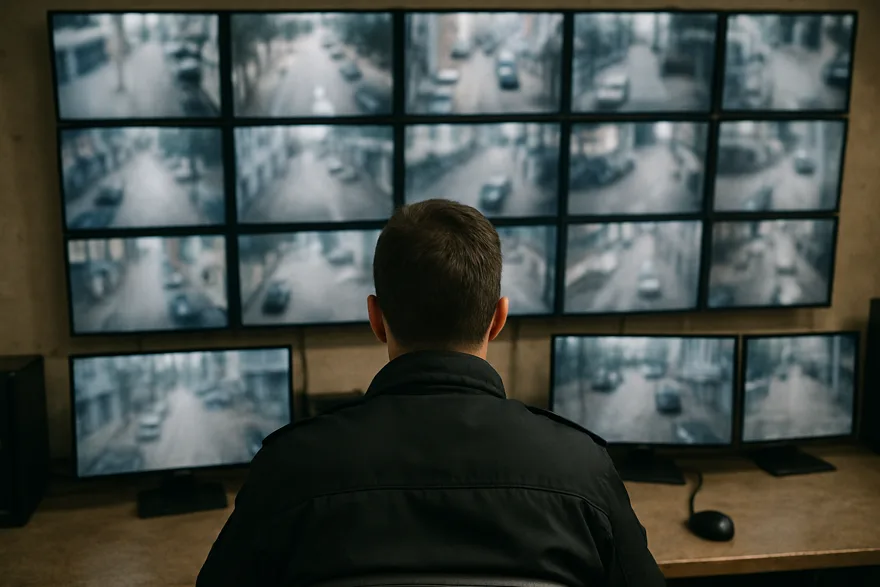

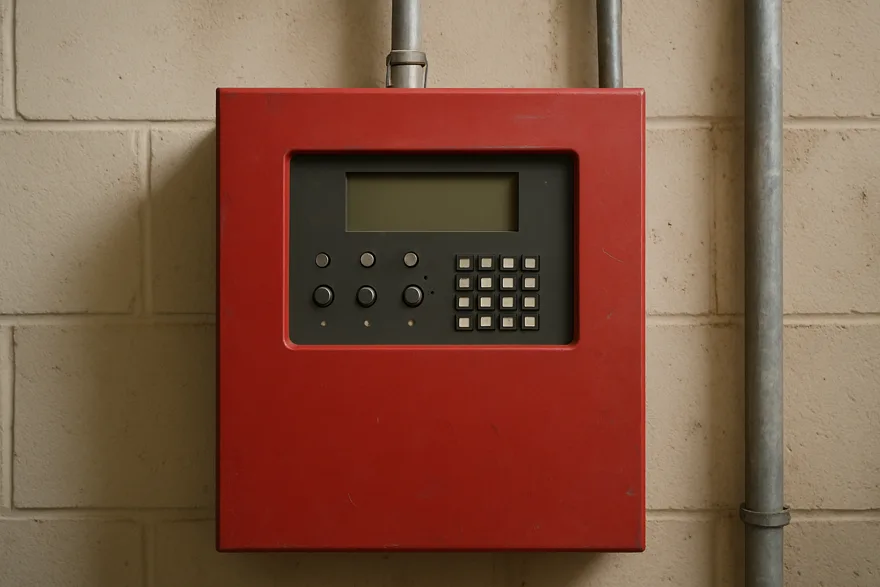
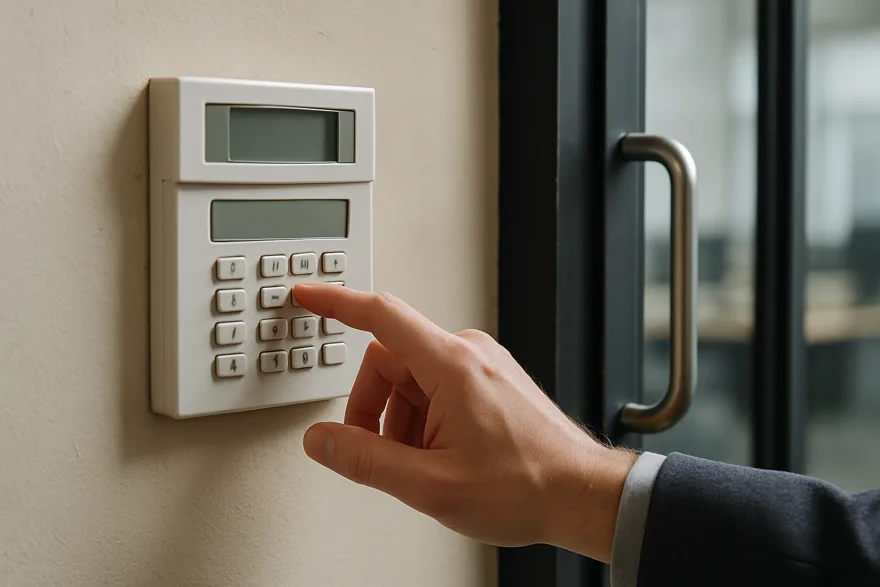
The 2026 numbers
| Security category | 2026 published range | The number that actually matters |
|---|---|---|
| Business alarm system (installed) | $500-$2,000 basic; $1,500-$3,000 typical | The install price next to the full monitoring-contract total - not alone |
| Alarm monitoring (small business) | $50-$100/month | 36-month terms are standard; the renewal clause decides the real end date |
| Monitoring contract term | 36 months typical (12-60 range) | Miss the 30-60 day notice window and many contracts renew 3-5 more years |
| Commercial cameras | $100-$1,500 each ($150-$600 typical installed) | Recording is the second budget: NVR $400+ once, or cloud $10-$30/camera/month forever |
| Access control (per door) | $900-$4,000 installed | The 4x spread is bundling, not technology - demand a scope list per door |
| False alarm fines (municipal) | $50-$300 per incident, escalating | 94-98% of alarm calls are false (DOJ-funded guide) - fines exist because of it |
| Full integrated system (small-mid business) | $8,000-$30,000 | Real if you need alarm + doors + cameras together - needs first, then quotes |
Put a monitoring contract review out to competing bid before talking price
Two free marketplace paths: one form brings back multiple vetted installers who know they are competing for the job. Competing quotes are the only pricing discipline this industry consistently respects.
External links go to the marketplaces' own sites and forms. This site may earn a referral fee at no cost to you - it never changes the data above, and no individual installer pays to appear in our research.
Negotiable before signature - nearly immovable after
Standard to negotiate out
- Shorter renewal periods, or month-to-month after the initial term
- A notice window long enough to actually track
- Equipment ownership transferring to you at term end
- Rate locks or escalator caps in writing
- Cancellation terms that survive a change of monitoring company
What no vendor will honestly promise
- That you will never trigger a false alarm - the fine schedule is yours to know
- That a verbal promise outranks the written monitoring agreement
- That 'free' equipment is free if you leave early - buyout clauses price it
- That next year's rate will not use the escalator the contract allows
- That missing the notice window can be fixed after the fact
The calendar defense
The day you sign, create two calendar entries: the notice-window opening and its deadline (30-60 days before term end is the common window). Auto-renewal is only expensive when it is a surprise. California went further - alarm companies there must get a signed acknowledgment of any auto-renewal longer than one month or the clause is void - but everywhere else, the calendar is the whole defense.
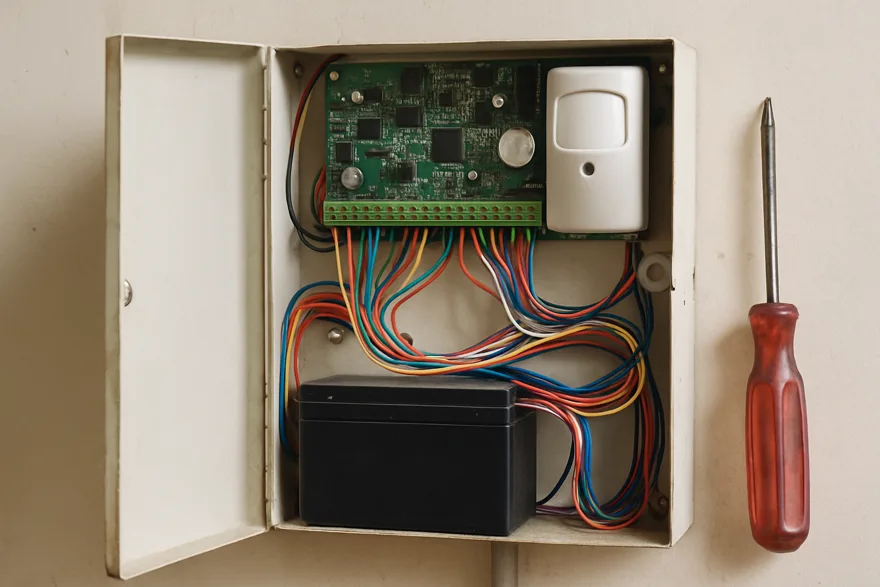
What this means in Palmyra
A security quote is only as good as the contract under it: the equipment price is negotiated once, but the monitoring clauses bill you every month for 36 months - and renew if you forget them.
This page is independent research, not legal, insurance or purchasing advice. Licensing rules, alarm ordinances and fine schedules are set by states and cities and change - verify current requirements with your state licensing board and your city's alarm program before acting.
Common questions
Will a security system lower my business insurance?
Commonly yes, for professionally monitored systems - published ranges cluster from single digits to about 20% off the property premium depending on insurer, policy and system components. No precise universal percentage exists, and self-monitored setups often do not qualify - confirm the actual discount with your carrier before counting the savings in your payback math.
Should I choose cloud or local storage for cameras?
Local NVR storage costs once - roughly $300-$700 in hardware plus a hard-drive swap every few years - and keeps footage on your premises. Cloud storage bills every camera every month ($10-$30 typical) and survives theft or fire of the recorder. Neither is wrong; the honest math is your camera count times the monthly cloud fee, compared over five years against the NVR you would buy.
How much does access control cost per door?
Published 2026 ranges run roughly $900-$4,000 per controlled door installed - a wide spread because 'per door' bundles different things in different quotes: some include the panel, wiring, labor and first-year software licensing, others price bare hardware. Readers alone run $80-$300 for proximity/RFID and $300-$1,200+ for biometric, and cloud management software adds a per-door monthly subscription.
How long are security monitoring contracts?
Thirty-six months is the industry-standard term, with 12-60 months the observed range - longer terms typically trade for lower monthly fees or 'free' equipment. The clause to read is the renewal: many contracts renew for another full term of 3-5 years unless you cancel in writing inside a 30-60 day window near term end. Calendar that window the day you sign.
Do security installers need a license?
It depends entirely on the state - and the differences are large. Some states run dedicated alarm-contractor licenses with exams and background checks, some fold alarm work into electrical licensing, and a handful have no state license at all, leaving regulation to cities. This site's page for your state names the licensing body and links the official lookup where one exists - checking a license takes about two minutes and is free.
Put a monitoring contract review out to competing bid before talking price
Two free marketplace paths: one form brings back multiple vetted installers who know they are competing for the job. Competing quotes are the only pricing discipline this industry consistently respects.
External links go to the marketplaces' own sites and forms. This site may earn a referral fee at no cost to you - it never changes the data above, and no individual installer pays to appear in our research.
Prices in nearby cities
Paramus · Park Ridge · Passaic · Paterson · Paulsboro · Peapack and Gladstone · Pemberton · Pennington · Penns Grove · Perth Amboy · Phillipsburg · Pine Beach